

Vegan products can be introduced into our children's diets without any problem. A vegan product is of plant origin. However, we always recommend a homemade option over a processed one.
When we talk about vegan diets and child development, we must take into account several factors , so if you are interested in moving towards this type of diet, take a look at our article first.
Is it good to introduce vegan products into my children's diet?
The first thing to keep in mind is that vegan products are those that have no animal origin whatsoever—no eggs, no dairy, no honey… We're talking about entirely plant-based products. Therefore, it's good and recommended that our children eat fruits and vegetables. However, this should always be within the context of a balanced diet. It's important that they eat a variety of foods to avoid potential nutritional deficiencies and the development of food allergies.
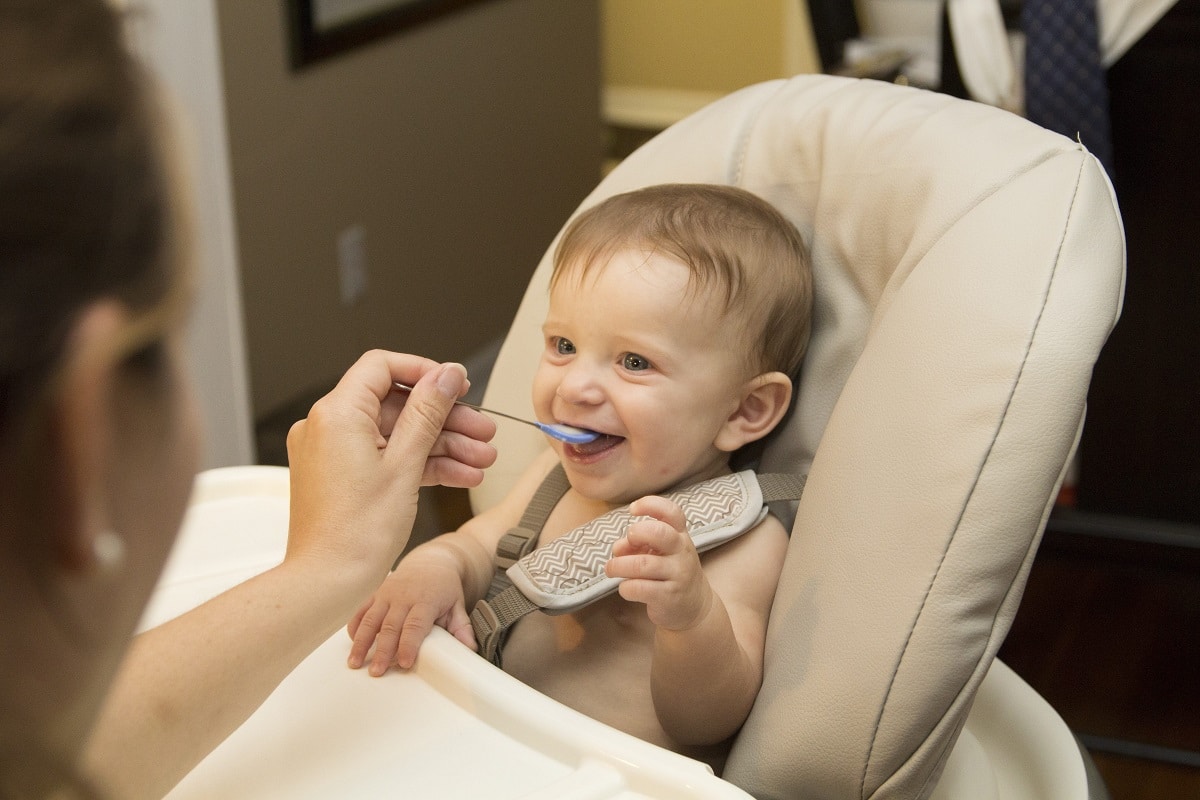
If the whole family follows a vegan diet, you'll already know how to eat to maintain a balanced diet. However, it's important to be aware that our children are still developing, so we should include some animal products like eggs, cheese, and perhaps fish. Choose foods that we can tolerate at home, taking into account and respecting the family's values. We must consider the need for adequate calcium intake for children, as their bones are still developing. A vegan diet can usually meet nutritional needs, but children often have lower calcium levels.
Feeding children requires time and dedication, and all parents should consider their children's diet. Habits acquired in childhood tend to persist into adulthood , and if a child is accustomed to eating healthy, home-cooked, quality food instead of fast food or processed food, we can prevent future problems.
Achieve good bone health
Ensuring good bone health during growth is essential. To achieve this, we must emphasize the importance of calcium, as mentioned earlier, but also vitamin D (through sun exposure), daily physical activity, and adequate protein intake. A proper diet, avoiding ultra-processed foods, can help our children develop properly.
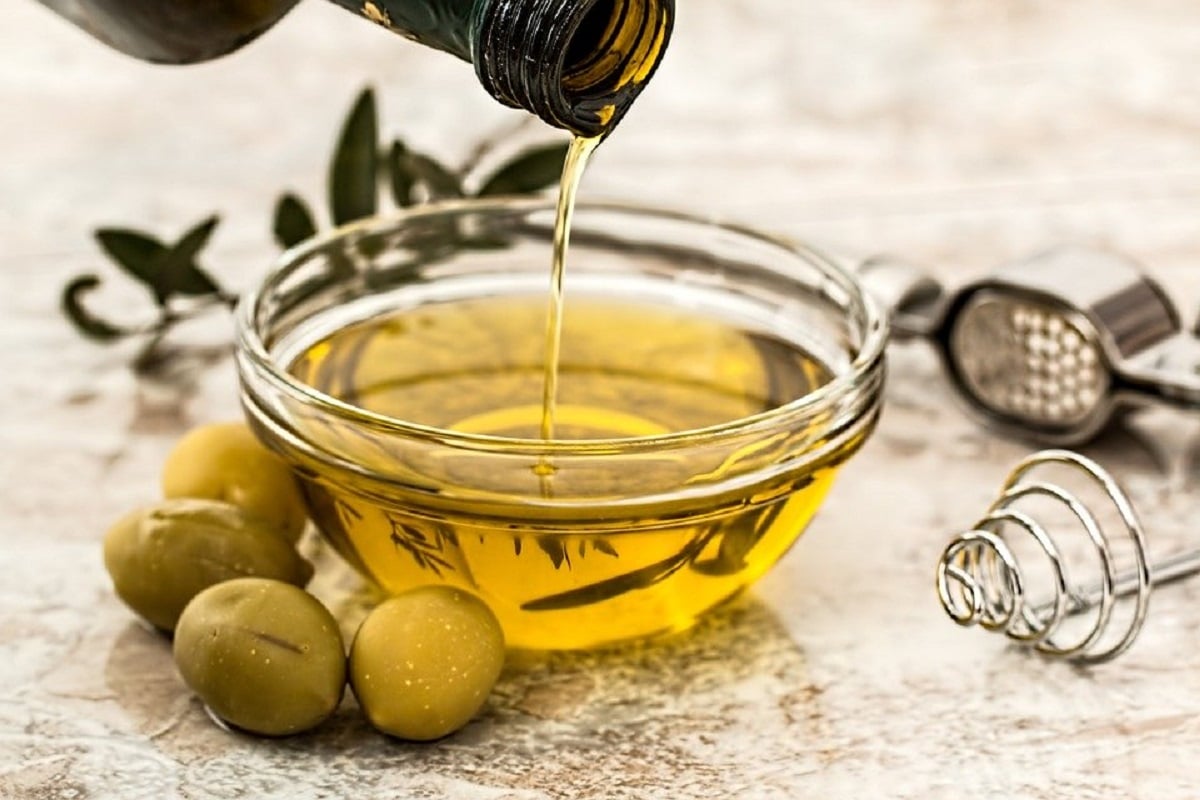
A vegan diet helps reduce the consumption of saturated fats, but healthy fats such as olive oil and olives should still be consumed .
It's advisable to have regular blood tests to check the family's nutritional status when following a diet that excludes foods rich in vitamins and minerals. This way, if any vitamin or mineral deficiencies are found, the family can address them by increasing their daily intake.
How do you know if a product is vegan?
Processed vegan foods are marked with a green circle and a "V" indicating they are vegan. They are very easy to identify. In any case, the recommendation is to buy vegetables, legumes, and fruits, and prepare homemade meals ourselves . It's more beneficial for the whole family when we cook at home. We know that we can't always or everything be done at home, but we should try to do as much as possible.

The final recommendation is to have a balanced diet. The Mediterranean diet model is excellent in this regard, high in fruits, vegetables, and healthy fats, ensuring that your nutritional needs are met. Avoid ultra-processed foods full of sugars and opt for homemade meals where you can control the ingredients. Choose seasonal and locally sourced foods (km0) to maintain an environmentally friendly diet. From this foundation, you can increase your intake of foods like fruits and vegetables and reduce your consumption of others that you may not want to eat for various reasons.