

Our children are the most precious thing we can cherish; showering them with love and affection is an emotional act we can't ignore. Kissing children is a sensitive gesture we shouldn't overlook; kissing them on the face or lips is common, but for many, this act isn't considered hygienic.
Showing affection through loving gestures is something that will last a lifetime as a form of attachment and protection. Instilling this passion in them from a young age is essential to instilling that fundamental love that must endure.
Is it important to kiss children?
Giving kisses is obviously very important. It's an innate act that comes naturally to us because we enjoy it, because it's our way of showing love, and it's a way of expressing our affection. The child will feel a great sense of well-being, warmth, security, and a lot of love.
We shouldn't confuse giving our affection, love, and care with giving consent . Offering them our love is also offering them our protection, our words, making them feel safe with their loved ones; this is what they need and it brings them great benefit. Kisses are part of a whole range of qualities that provide children with many advantages:
- You are making him develop a childhood stage with great happiness, you give them peace of mind and they relax when they are in circumstances that cause anxiety.
- Are moments that gives them a lot of security, increases their self-esteem and we help them to reinforce themselves internally.
- Ante negative moments like falls and frustrations we have to reinforce them with kissesThey have to feel protected, although it should not be done with excessive protection. They have to know how to manage their bad moments on their own without the help of a parent but knowing that we are there.
- It helps them to be more positive and creates more peace of mind to learn and manage their emotional intelligence, they are children who even sleep much better.
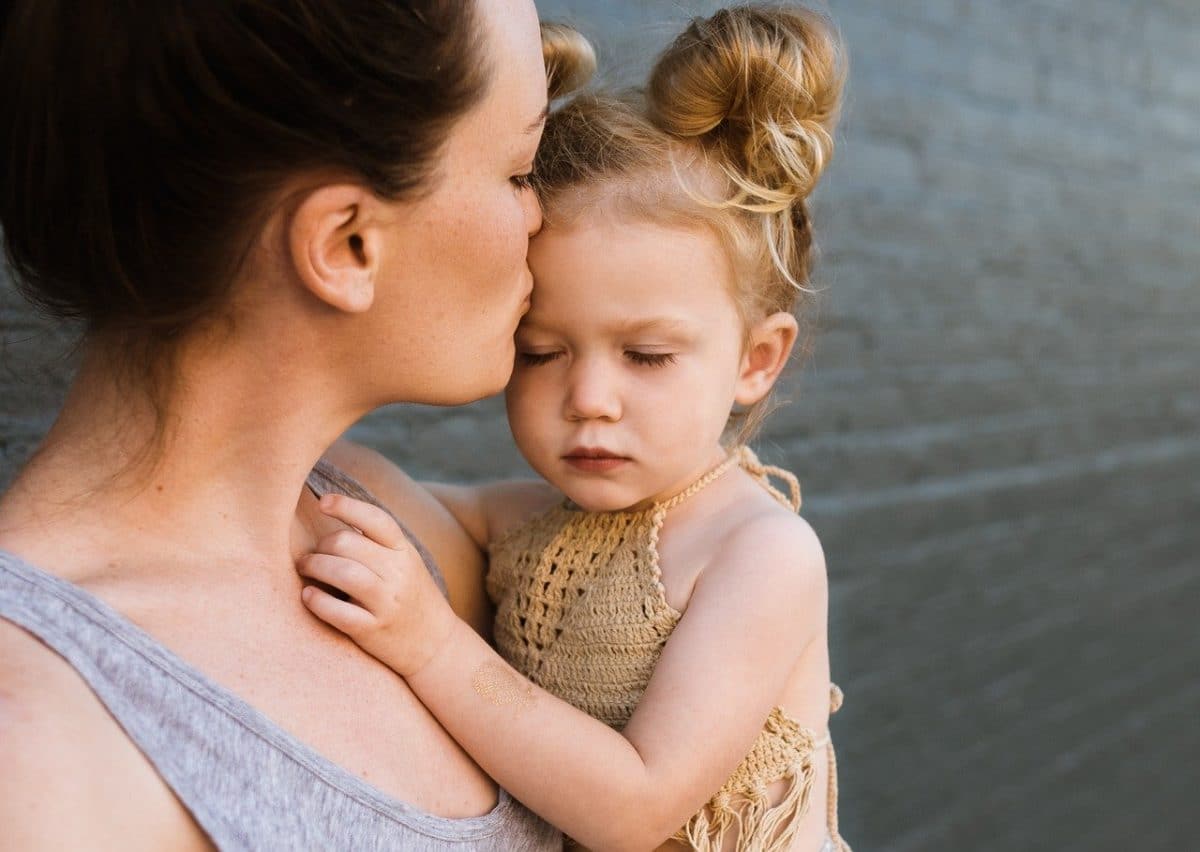
Why do you get to question whether we should kiss children?
His theory is far from indisputable. Many experts recommend against excessive kissing , citing potential health risks.
Infants have a completely different and weaker immune system than older children. Children from 0 to 12 months of age are much more vulnerable and therefore more susceptible to contracting many pathogens and illnesses.
A child or baby who is kissed on the mouth or cheeks has come into contact with an adult's saliva and may become infected with viral, bacterial, or herpes infections.
They can become infected with "the kissing disease" or infectious mononucleosis. It's a very common illness that affects many children , and its consequences are often overlooked. Symptoms include general malaise accompanied by fever and swollen lymph nodes.

Mouth ulcers are another common consequence of kissing. They appear as small lesions or sores inside the mouth, causing significant irritability and discomfort.
Tooth decay is often also attributed as a possible consequence of contact between parents and children through saliva, since they are major transmitters of bacteria that are harmful to the mouths of young children.
To try to prevent all these illnesses, it's important to maintain good hygiene. It's recommended not to constantly kiss children on the mouth, suck on pacifiers with our own mouths, or even share spoons. This is a strict measure for many children susceptible to these types of infections , but it's something we've always witnessed and caused, and for some, it seems excessive.
Table of Contents