Week 26 of pregnancy: fetal development, changes in the mother, and key tests

  • In week 26 the baby weighs around 800-900 g, measures about 23 cm and matures lungs, nervous system and senses, already practicing breathing movements and even having hiccups.
  • The mother notices her belly more clearly, changes in her skin, breast enlargement, frequent need to urinate, and possible discomforts such as pelvic pain, heartburn, bloating, or Braxton Hicks contractions.
  • It is an important stage for screening for gestational diabetes, monitoring blood pressure and, if necessary, repeating ultrasounds or performing 3D ultrasounds.
  • Proper hydration, a balanced diet, adapted exercise, and emotional support help to better manage physical changes and promote well-being during pregnancy.

week 26 of pregnancy

We passed the halfway point of the pregnancy several weeks ago and are starting to notice that the third trimester is approaching, and with it... discomfort due to the baby's weight gain These are the months our bodies have been working to ensure the baby has everything it needs. It's a very special time: the baby is becoming more and more developed, its movements are clearly visible, and many women feel a deeper connection with their child.

In week 26 of pregnancy, Your uterus has grown considerablyYour breasts continue to grow, and you may start to notice changes in your sleep, breathing, or digestion. At the same time, your baby is experiencing a developmental sprint: their lungs are preparing to breathe air, their central nervous system is maturing, and their senses are becoming more refined.

You are at a stage where, although some discomfort may appear, You still have the energy to move around, work, and enjoy your pregnancy.Understanding what's happening in your body and your baby's will help you experience this week with more peace of mind and security.

How is my baby

fetal development week 26 of pregnancy

At this moment it weighs about 800/900 grams and measures around 23 centimeters from head to buttocks (Head-rump length). If we include the legs, its total length is greater, and it is usually compared to the size of a zucchini or a similar elongated vegetable.

She has gained some weight and fat begins to accumulate under the skinThe wrinkles are smoothing out, so it no longer looks as wrinkled as it did before. This subcutaneous fat will be key for the baby to be able to maintain body temperature when it is born and protect it from the cold outside.

At skin level, it's still something thin and slightly translucentBut it becomes more opaque and resistant every week. Also He's growing more hair on his head And eyelashes and eyebrows may begin to appear. These small details make their face look more like that of a newborn.

From this moment on, our baby can survive if born.The lungs and the blood vessels that supply them have matured and grown sufficiently that, with appropriate intensive care, gas exchange can occur and the baby can breathe if born prematurely. At this stage, the lungs begin to produce Surfactant, a substance that prevents the alveoli in the lungs from collapsing when breathing and is essential for life outside the womb.

Also the Central Nervous System has matured enough to direct respiratory movements and control body temperature. Coordination between the brain, lungs, and respiratory muscles improves, so the fetus begins a true training for the moment of birth.

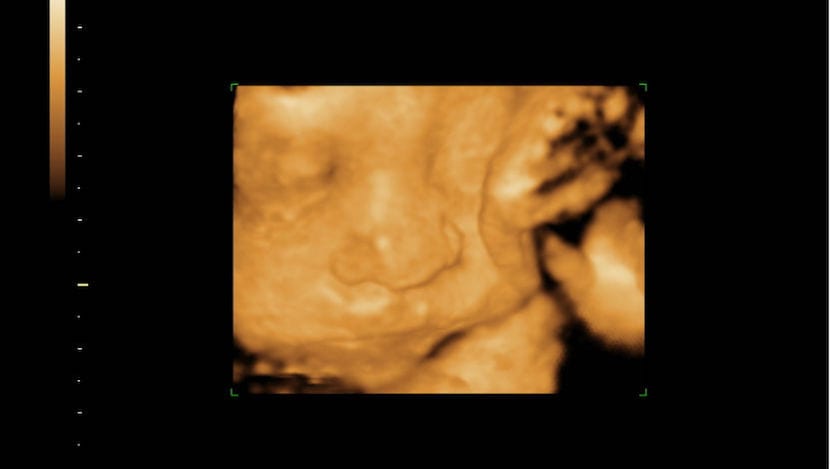
3D ultrasound

In fact, inside the womb, even though it cannot breathe air, it will begin to practice these movements. making attempts to inhale and exhale with the thorax and diaphragm. It is common for the gynecologist to see the baby making breathing movements during an ultrasound, which is a very reliable sign of fetal well-being, because it indicates that the nervous system and lungs are developing correctly.

The baby's spleen produces enough blood cells for the Blood circulation ensures that oxygen and nutrients They reach every corner of their little body. Along with the bone marrow, they participate in the production of red blood cells, white blood cells, and platelets, which are essential for their growth and defense against infections.

Their sleep cycle is still different from that of an adult; it alternates short periods of sleep and wakefulness Throughout the day. Plus, it still has plenty of room to move, so you'll notice vigorous movements at any time. Sometimes it will remain very still for a while (because it's asleep) and then suddenly become active with kicks, turns, and stretches.

Although most mothers complain that their baby moves more at nightThis is probably because we relax, our sensitivity to movement increases, and we're more alert than during the day. In the coming weeks, some professionals can explain how counting fetal movements If necessary, something that helps to monitor the baby's well-being when there is doubt.

Their senses are quite developed: She begins to distinguish her mother's voice and other common sounds from the environment (music, partner's voice, household noises). The inner ear continues to mature, and the baby may react to loud noises with slight startles or changes in movement. Talk to the baby, sing to them; if you've already chosen a name, using it strengthens the emotional bond.

On the other hand, the baby's eyes, which until now had remained closed, They begin to open and may start to blinkThe retina continues to mature and will still see in a very limited way, but it is already able to perceive changes in light that pass through the maternal abdomen, reacting to intense spotlights or very direct lights.

Believe it or not, the baby swallows amniotic fluid.Sometimes in considerable quantities, this fluid promotes the maturation of the digestive system and the development of the lungs. Through this fluid, the fetus also receives information about tastes and substances from the mother's internal environment.

It's a bit early, but You may start to notice that he has hiccupsYou will notice small, rhythmic, and repeated twitches in your belly, without pain, which usually correspond to fetal diaphragm contractions. This is completely normal and is also part of breathing training.

baby week 26 of pregnancy

Changes in mom

pregnant woman walking

You are in a good stage of pregnancy. You're still relatively agileYou can clearly feel your baby and interact with them. Enjoy this time, talk to your baby, gently stroke your belly, and find comfortable positions to rest. This is also a time when you can calmly begin preparing for labor and delivery and the arrival of your baby.

Now you can really see her little belly. The skin begins to stretch and you may notice some itching in the gutMake sure to stay well hydrated: a good anti-stretch mark cream specifically formulated for pregnancy or plant-based oils suitable for pregnant women will help relieve itching and prevent stretch marks as much as possible. Even so, it's important to know that in many women, stretch marks also have a genetic component.

You're probably starting to see the lines on your belly. Alba lineThis is a line located in the center of the abdomen, between the rectus abdominis muscles, extending from the pubic symphysis, above the pelvis, to the lower part of the sternum. During pregnancy it usually It darkens and it is common for some hair to grow.All of that disappears after childbirth, although you have to be patient, sometimes it takes longer than we would like.

Besides your belly, you'll notice that breast increases in sizeThe areolas become darker and more prominent, and small superficial veins may appear. A properly fitting maternity bra with wide straps and good support will help you avoid discomfort in your back and shoulders.

You'll probably notice frequent need to urinateIt's normal: the increased weight of the baby and the growing uterus puts pressure on the bladder, reducing its capacity. You may even have to get up at night to use the bathroom, which can contribute to sleep difficulties. Staying well-hydrated during the day and reducing your fluid intake right before bed can help a little.

But it's important to be on the lookout for any signs of a urine infection that you notice. If you experience burning, pain or discomfort when urinating, a sudden increase in urinary frequency or fever, consult your doctor.Urinary tract infections are common in pregnancy, can cause contractions and are the cause of many threats of premature labor, so they require antibiotic treatment prescribed by a professional.

Other discomforts may also appear this week: pelvic or lower back pain Because the ligaments of the pelvis become more flexible in preparation for childbirth, a feeling of heaviness in the legs, swelling of ankles and handsNighttime cramps, varicose veins, heartburn, acid reflux, constipation, or hemorrhoids. Mentioning these symptoms during your check-ups allows the healthcare professional to offer guidance and, if necessary, treatment.

mother week 26 of pregnancy

You might also start noticing the calls Braxton Hicks contractionsA sensation of the abdomen hardening irregularly, without rhythm, and generally without intense pain. These are not labor contractions, but if they become very frequent, painful, or regular, it's advisable to consult a doctor.

Worries, physical changes, and discomfort can all contribute to increased stress and anxietyIt's normal to feel more sensitive or restless as you prepare for the baby's arrival. Maintaining some adapted physical activity (such as walking, gentle swimming, or prenatal yoga if your healthcare provider approves), talking about your feelings, and seeking support from those around you can be very helpful.

Testing

If the gestational diabetes screening test, the O'Sullivan's testYour test result was abnormal, so you will now undergo an oral glucose tolerance test (OGTT) or long glucose tolerance test. This test is used to confirm if you have gestational diabetes.

It is a relatively long test: it usually lasts around three hours. It consists of an initial blood draw after fasting to determine baseline glucose levels, followed by drinking a solution containing 100 grams of glucoseThree more blood samples are then taken, at 60, 120, and 180 minutes after consuming the beverage. If two or more values ​​are abnormal, the diagnosis of gestational diabetes is confirmed.

Find out about the preparation needed to take this testGenerally, you need to arrive fasting and remain at rest at the center while the test is performed. It's a long and somewhat tedious test; if you can go with someone, all the better. The company and conversation will make it more bearable and allow you to ask questions while you wait.

You may need to have the ultrasound repeated if there was any abnormality at 20 weeks, if all organs could not be assessed correctly, or if your healthcare provider wants to. to monitor the baby's growth in more detailThese ultrasounds check the estimated weight, the amount of amniotic fluid, the position of the placenta, and the overall well-being of the fetus.

During follow-up appointments, it's also common for them to take your... blood pressure To monitor for excessive blood pressure, as this could be related to complications such as preeclampsia. Reporting symptoms like severe headaches, visual disturbances, or sudden swelling helps detect these issues early.

If none of these tests are necessary and you feel like it, You can have a 3D ultrasound performedAt this stage, the baby is the right size and you'll see him making faces, sucking his thumb, sticking out his tongue... It's a very emotional memory, although it's important to remember that this is a complementary and not mandatory examination.

Throughout these weeks, maintain a varied and balanced dietRich in fiber and well-hydrated, this will help you combat constipation, prevent some heartburn, and reduce the risk of urinary tract infections. Several professionals recommend this. frequent small meals instead of large meals to relieve reflux, as well as avoiding lying down right after eating.

Exercise adapted to the stage of pregnancy, provided your doctor doesn't advise against it, offers numerous benefits: it improves circulation, helps control weight gain, reduces stress, and can relieve muscle discomfort. Walking daily, practicing specific pelvic floor exercises, or attending childbirth preparation classes are all valuable options.

This stage of pregnancy is also a good time to start thinking about aspects such as birth planThe type of support you would like (midwife, partner, doula, family members) and the resources you will need after birth (breastfeeding support, home support network, etc.). The more reliable information you have, the more empowered you will feel to make decisions.

Week 26 marks a phase in which the baby has a chance of survival if born prematurely, but still needs to continue growing and maturing inside you. Taking care of your rest, your diet, your emotional health, and attending the recommended checkups is the best way to support this process and enjoy the healthiest pregnancy possible.