

You probably have some of your children in school and you should think carefully about what to feed them (both lunch and dinner) so that it is healthy and provides them with all the necessary nutrients so they can learn and grow without problems.
As parents, it's crucial to understand the importance of providing a balanced diet during the school years, as these are fundamental for our children's physical, cognitive, and emotional development. One of the keys to success in this endeavor is weekly meal planning . This will make mealtimes easier and more practical, and will also encourage your creativity in offering a varied menu and gradually introducing new foods.
Why is it important to plan children's nutrition?
Creating a good weekly menu not only helps ensure children receive all the necessary nutrients, but also teaches them healthy eating habits that will stay with them throughout their lives. Eating properly during childhood prevents problems such as obesity , anemia , and nutritional deficiencies , as well as promoting academic performance and concentration.
Recommended consumption frequencies for main foods
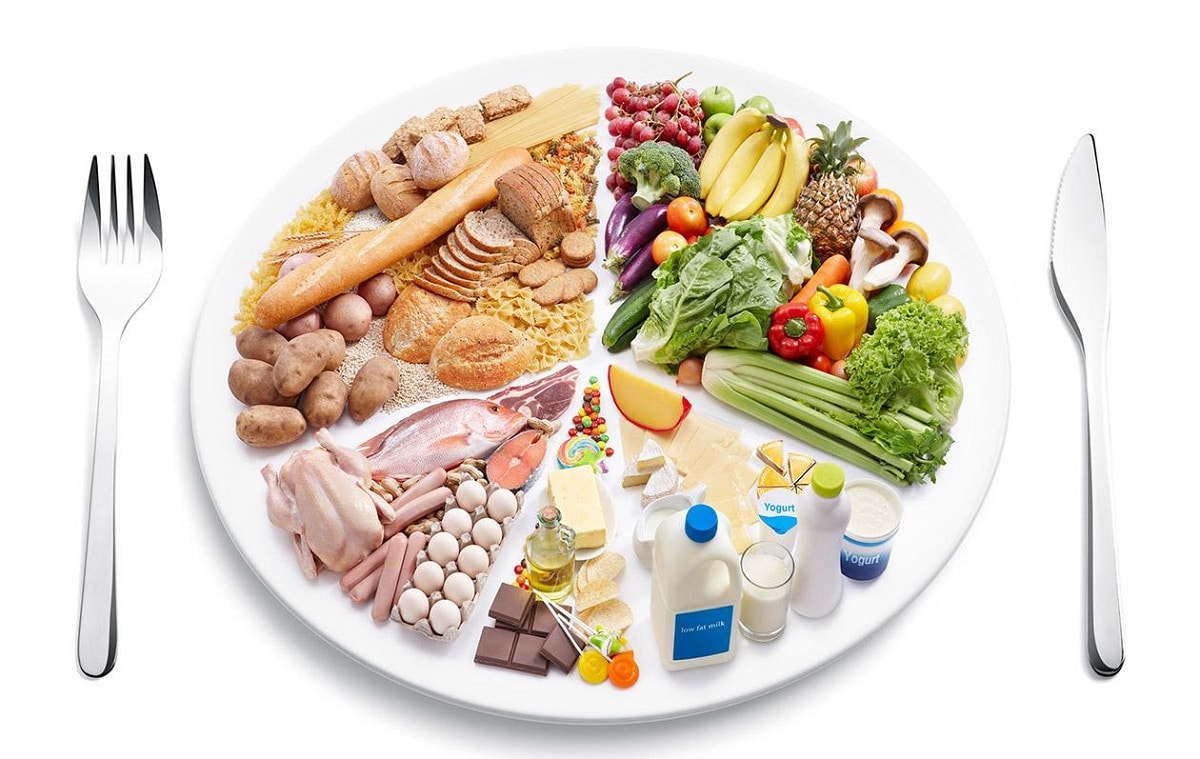
Below we give you the recommended consumption frequencies of the different food groups for children's diet. This data will serve as a basis for structuring your children's weekly menu:
- Vegetables and vegetables: Include some portion in every meal. No matter the Exact amount, the important thing is that they are present.
- Rice: 1 to 3 times per week.
- Folder: 2 to 4 times a week, preferably whole grain.
- Potato: 3 to 4 times a week, combining them with other vegetables.
- Vegetables: 2 to 3 times a week, ideal for providing vegetable proteins y fiber.
- Meats: 3 to 4 times a week, prioritizing lean meats such as chicken, Turkey o rabbit.
- Fish: 3 to 4 times a week, alternating between fish of Blancos y blue.
- Eggs: 2 to 3 times per week.
- Fruits: At least 2 to 3 pieces a day, preferably fresh.
- Dairy products: 2 to 3 servings daily, such as milk, cheese o yogurt.
- Pan: Daily, preferably whole grain or cereal.
Taking these recommendations into account , we present a practical example of weekly lunches and dinners. Remember that you can customize these meals according to the foods available and your family's preferences .
Lunches:
- Monday: Creamy pumpkin soup, hake with salad, and homemade ice cream for dessert.
- Tuesday: Vegetable soup, chicken breast with baked potatoes, and fresh fruit.
- Wednesday: Ham and cheese omelette, breaded steak with steamed vegetables, and gelatin with fruit.
- Thursday: Rice with tuna, meat with baked vegetables, and natural yogurt.
- Friday: Vegetable soup with angel hair, potato omelette with salad, and fruit for dessert.
Dinners:
- Monday: Salad with vegetables and legumes, eggs stuffed with tuna, and rice pudding.
- Tuesday: Meatballs with vegetables and yogurt with fruit salad.
- Wednesday: Noodles bolognese, and fresh fruit for dessert.
- Thursday: Grilled chicken with salad, accompanied by fruit salad and ice cream.
- Friday: Pumpkin cream soup, homemade burgers with potatoes, and gelatin.
Quick and healthy recipes

Involving your children in cooking can motivate them to try new foods and enjoy eating. Here are some simple , healthy, and delicious recipe ideas you can try:
Spinach Tortilla
Spinach is rich in iron and perfect for healthy growth . You can mix it fresh with beaten egg and add grated cheese before cooking. Serve with a fresh salad.
Lentil Burgers
An excellent way to incorporate legumes into your diet. Mix cooked lentils with oats, grated carrot, and spices. Form into patties, bake, and serve with whole-wheat bread and vegetables.
Crunchy carrot sticks
Cut carrots into thin strips, bake them with a little olive oil and a pinch of salt . They are a healthy alternative to store-bought fries.
Tips to improve eating habits

- Plan ahead: Take a moment to create your weekly menu. This will reduce improvisation and allow you to include all food groups.
- Make meals a pleasant moment: Set regular meal times and allow children to be involved in preparing and choosing food.
- Varies preparations and presentations: Alternate between roasting, steaming, grilling and creams to diversify flavors and textures.
- Avoid ultra-processed products: Instead, bet on fresh food and natural.
With proper planning and a touch of creativity , you can ensure a balanced and healthy diet for your children while they enjoy their meals. Remember that every small effort you make now will influence your children's positive habits for life.
Table of Contents