Crocheted octopuses for premature babies in Spain: a charitable initiative and its benefits

  • Crocheted octopuses for premature babies mimic the umbilical cord, promote calmness in the baby, and help stabilize their heart rate and breathing.
  • In Spain, groups like Noupops and other solidarity networks coordinate the making, quality control and distribution of octopuses to the NICUs of different hospitals.
  • For an octopus to be safe, it must follow strict standards of materials, measurements, stitch tension and sterilization, always adjusted to hospital protocols.
  • These plush toys do not replace the kangaroo method, but they complement it and provide emotional support to families and babies in the delicate context of prematurity.

Crocheted octopuses for premature babies in Spain

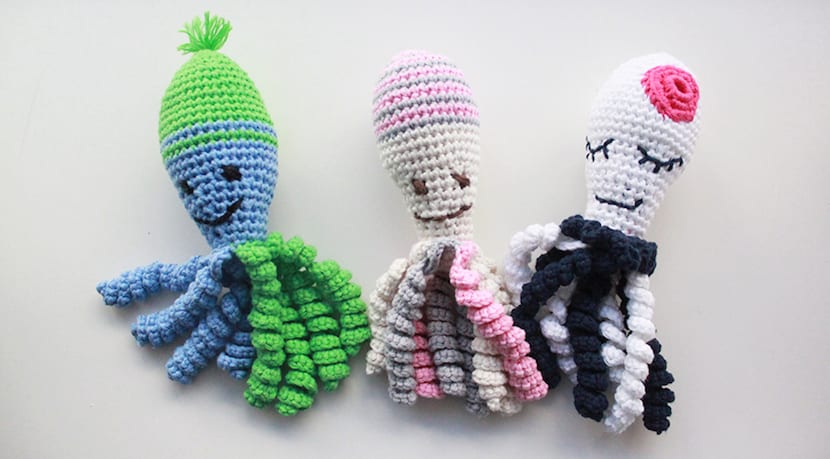
Crocheted octopuses for premature babies They have become one of the most endearing charitable initiatives in Neonatal Intensive Care Units (NICUs). Their origin lies in Denmark, when it was discovered that small crocheted octopuses could offer numerous benefits to the most vulnerable newborns. After their positive effect was confirmed, there was no shortage of volunteers willing to crochet soft and colorful plush toys to keep these babies company.

Initially sponsored by the Spruttengruppen organization (on whose website the donated octopuses can be viewed), the project basically consists of the Donation of crocheted plush toys to hospitals with NICUsThe function of these toys is to emulate, in a certain way, the umbilical cord and offer a safe and comforting grip for the baby.

It is known that babies can grasp the umbilical cord that connects them to their mother with their tiny hands, and being born prematurely deprives them of this contact. Furthermore, research conducted in Denmark has confirmed that by applying pressure with their hands to the tentacles, Premature babies obtain similar benefits to those they would have by holding onto the umbilical cord.: more regular heart rate and breathing, higher blood oxygen levels and, in general, a more stable state of calm.

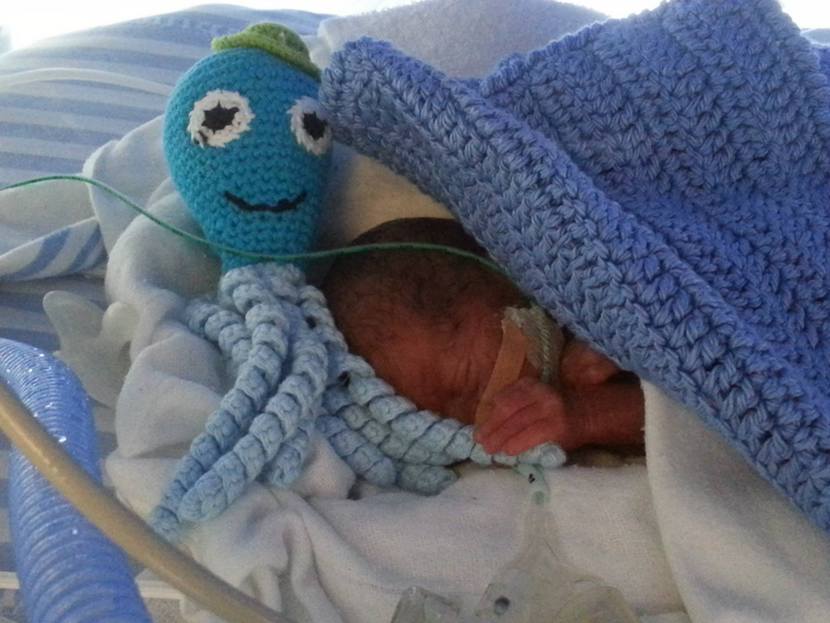
This effect not only helps the baby feel more secure, it also serves a very practical function: The octopus's tentacles prevent small fish from pulling on probes, catheters, and other tubes. connected to their bodies. Instead of clinging to the medical equipment, their hands naturally reach for the tentacles, which resemble what they would have had inside the womb.

How crocheted octopuses work for premature babies

crocheted octopuses for premature babies

Crochet octopuses are specifically designed for simulate an umbilical cordIts curly tentacles remind babies of that intrauterine feeling of grasping, and they take advantage of the grasping reflex, a primitive reflex that develops in the womb and is maintained during the first months of life. Thus, when something touches the palm of its hand, the baby instinctively tends to close its fingers and hold on.

Neonatology professionals have observed that when babies have an octopus inside the incubator, They appear calmer and less irritableBy having an object that is pleasant to the touch and smells like its parents (if they have been in contact with it a few days before), the octopus becomes a small bridge between the hospital environment and the mother's womb.

Various neonatal units in hospitals across Europe and other continents have been incorporating these types of plush toys, always under strict quality and safety protocols. Nurses and families agree that Octopuses seem to calm babiescontributing to better cardiorespiratory stability and greater oxygenation, something key in the first days of a premature baby's life.

One very important aspect is that The size of the octopus should be adapted to the size of the baby.In hospitals with extremely small premature babies, reduced-size models are used to avoid taking up too much space in the incubator and to allow the baby to move around comfortably and safely.

The initiative in Spain: Noupops and other solidarity groups

knitted octopuses for premature babies

The news in recent weeks is that in Spain, a group of volunteers has met with the name of Noupopsand have created a network of octopus fishermen (both men and women) who work tirelessly to deliver these 20-centimeter octopuses to various NICUs. This group follows the same safety guidelines as the Danish project and works in coordination with Spanish hospitals so that each octopus reaches where it is most needed.

The goal is to obtain 20.000 units, which are collected at various points before being sent to their hospital destinations. The plush toys are checked to ensure that their tentacles do not measure more than 21,84 centimeters.The stitching must be very tight to prevent any fibers from escaping the filling. Furthermore, they must be sterilized before being used with babies, usually through high-temperature washing following hospital protocols.

Alongside Noupops, other initiatives have emerged in Spain that also support premature babies with solidarity octopuses. There are associations and groups of knitters who collaborate with different hospitals, coordinating donations and organizing crochet workshops to teach the pattern adapted to NICUs. Some haberdasheries and wool shops offer themselves as collection points, organize solidarity days and help to spread the word about safety requirements.

These groups share the same goal: create a support network for families of premature babiesThey aim to raise awareness about the reality of prematurity and channel the solidarity of those who enjoy knitting. Through social media, especially Facebook and Instagram, they answer questions, explain how to collaborate, and showcase the hospitals they have agreements with at any given time.

If you wish to participate, the usual way is to write to the contact emails or official social media profiles of these solidarity groups. They will tell you what to do. What exact pattern should you follow, what materials are suitable, and what address should you send the finished octopuses to?depending on your place of residence.

Safety guidelines and materials for crocheting octopuses

Materials for crocheting octopuses for babies

Although the idea is simple and very sweet, it is essential to understand that Not just any amigurumi is suitable for a NICUPremature babies are extremely delicate and are surrounded by machinery and invasive material, so safety regulations are strict and must be followed to the letter.

The groups that coordinate these initiatives usually demand that the octopus be woven with 100% hypoallergenic cotton yarnof the highest quality and lint-free. Cotton facilitates sterilization at high temperatures (around 60°C or higher, depending on hospital protocol) and reduces the risk of allergies or skin irritations for the baby. The filling, usually synthetic, should also be Suitable for high temperature washing and be perfectly contained within the tissue.

Furthermore, the The tension at the point must be very tight. To prevent the stuffing from escaping, which could become a choking hazard if loose fibers were to come out, plastic safety eyes and hard parts are not permitted. The octopus's features are embroidered or crocheted and then sewn with several firm stitches to ensure they are completely secure.

Another key rule is the control of the measuresThe octopus's body and tentacle length must conform to a specific standard set by the group you're working with. In the case of Noupops, for example, the tentacles are guaranteed not to exceed 21,84 centimeters when fully extended, so the baby can easily grasp them without posing a danger inside the incubator.

Finally, the baby octopuses go through a quality control process and They are sterilized before being delivered to the hospitalThis involves washing at high temperatures, drying, and proper packaging, often with an identifying label of the group that knitted it and, sometimes, with a small message of affection for the family.

Knitting solidarity octopuses: emotional support for families and babies

crochet solidarity octopuses

Those who dare to knit these octopuses agree that It's not just a craft projectbut rather a way to support families going through very difficult times. Each knitted stitch symbolizes time, care, and the desire for that baby to thrive, and many volunteers find in this work a close and tangible form of solidarity.

Families, for their part, often feel that the octopus is a small symbol of hope and companionshipIt brings warmth to a highly technical environment like a NICU, reduces the feeling of coldness in the incubators and, sometimes, becomes a very valuable memory when the baby is discharged from the hospital.

I like this idea: it's appealing, relatively new, and functional. But let's not forget that there's a zero-cost, easy-to-implement method called... "Kangaroo method"which has widespread acceptance and evidence of its effectiveness. Skin-to-skin contact between baby and parents greatly benefits temperature regulation, breathing, and emotional bonding.

Of course, anyone can understand that maintaining skin-to-skin contact 24 hours a day can be difficult. During those short periods when the baby is back in the incubator, These pulpits can be a great complement to the kangaroo methodproviding support and familiarity to the intensive care environment and helping the little one feel accompanied even when his parents cannot hold him in their arms.

Prematurity: why these small gestures matter

Premature baby with crocheted octopus

Prematurity is currently a problem because its incidence has increased, although there are also means to address it. Any baby born before week 37 can be considered prematureAnd if its birth occurs before week 35, it will need considerable support to survive and develop properly in its first weeks or months of life.

Advances in neonatology have significantly improved the survival rate of these babies, but they are still children with special needs for care, contact and containmentIn this context, any tool that helps reduce stress, improve physiological stability, and support family bonds becomes extremely important.

Crocheted octopuses are not a substitute for medical technology or professional care, but they have become a simple and highly valued resource which adds to the well-being of the premature baby's daily life. When combined with kangaroo care, breastfeeding, and the close presence of family, they can form part of a comprehensive approach focused on the baby and their emotional needs.

For all these reasons, knitting or supporting initiatives like the "solidarity octopus" project is a beautiful way to get involved in improving the environment for premature babies in Spain. A small yarn doll can make a difference in how a newborn experiences their first days of life, and at the same time creates a network of solidarity that unites volunteers, healthcare professionals, and families around a common goal. that these great fighters, although tiny, feel a little safer and less alone.