During pregnancy there are many myths regarding nutrition for pregnant women, and sometimes, They can generate fear and insecurityAlthough the general rule is to follow a varied Mediterranean-style diet and eat sensiblyIt is important to know what real risks exist, what infections can be transmitted through food, and what hygiene tips help to minimize them.
There are a number of foodborne infections we can contract during our lives and not even realize we've been sick, because the symptoms are mild, similar to a common cold or a mild case of gastroenteritis. The problem is that Some of these diseases can affect the baby that is forming in our uteruscross the placenta and cause major complications.
Furthermore, many misconceptions circulate during pregnancy: from the idea that one must eat for two...until you can't eat any kind of fish, going through the idea that If something smells good, it's always in good condition.Therefore, we will try to clarify any doubtsTo debunk common myths and explain in a practical way how to prevent foodborne infections during pregnancy without resorting to alarmism.
Toxoplasmosis
Toxoplasmosis is a disease caused by a protozoan, the Toxoplasma gondii. It affects various mammals, birds, and reptiles and can be transmitted to humans by contact with affected animals, especially cats, or by the consumption of contaminated meat or vegetables.
In most healthy people, this infection goes unnoticed or causes mild symptoms (some fever, general malaise, swollen lymph nodes). However, Infection during pregnancy can cause birth defects in the baby, miscarriages or neurological and eye problems, especially if the infection is acquired in the first trimester.
Precautions against toxoplasmosis
Prevention is based on simple hygiene and food handling rules, very similar to those recommended for any food poisoning, but which should be taken to an extreme degree during pregnancy:
- Not having contact with cats (primarily with their feces). If you already live with a cat, it's best if someone else cleans its litter box. If that's not possible, use disposable gloves and wash your hands thoroughly afterward.
- Do not eat undercooked or raw meatsThe meats should be cooked thoroughly in the center; avoid carpaccios, tartares, "rare" meats, or meats that are pink inside.
- Wash fruits and vegetables very well Before eating them, especially if consumed raw, it is advisable to rub them under running water and, if possible, peel them for added safety.
- Wear gloves for any gardening task or handling of soil, as it may be contaminated with cat feces carrying Toxoplasma.
- Keep a good hand hygiene before cooking, after touching raw meat, and always before eating.

Common myths about toxoplasmosis and meat
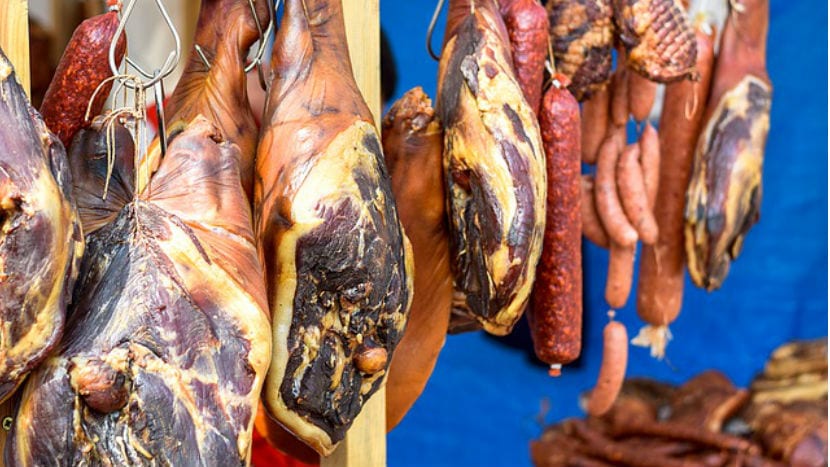
- You can't eat cured meats.It is only forbidden to eat it if it is raw or undercooked, like any other meat. Cured sausages or hams that have not been thoroughly cooked may still pose a risk. However, If the sausage is well cooked, then yes, it can be eaten. (for example, chorizo ​​or serrano ham used in stews that reach a sufficiently high temperature).
- If you freeze it, you can eat it rawHome freezing does not guarantee the destruction of the protozoan. It is difficult to achieve and maintain the suitable temperature, at least -20 °C sustainedto destroy Toxoplasma in home freezers, so this practice should not be considered completely safe.
- If it's from Jabugo, you can eat the ham.The investigations are inconclusive and there are as many defenders as detractors of its use in pregnancySafety depends more on curing time and production conditions than on the specific origin. If it's not cooked, some risk still exists. A prudent recommendation is Save the raw cured ham for after pregnancy.
- There's no need to wash bagged salads and vegetables.Packaged vegetables and salads have not always been washed as thoroughly as necessary to eliminate Toxoplasma, bacteria, or other parasites. It's preferable to wash them again at home. before consuming them.
- Contact with dogs transmits toxoplasmosis: Only cats transmit it through direct contact. They are the only animal species that, once infected, eliminates Toxoplasma through feces.Other animals keep it in their bodies, so they can only transmit the disease if their meat is eaten without being properly cooked.
Listeria
Listeriosis is an infection caused by consuming food contaminated with the bacteria Listeria monocytogenesThis bacterium is very resistant and capable of surviving in very adverse conditionsincluding refrigeration. It can multiply slowly in the refrigerator, so ready-to-eat foods stored for several days are especially vulnerable.
It is a rare infection in the general population, but in pregnancy it Listeria is of particular importance because it can cross the placenta. If the infection occurs during pregnancy, it can affect the baby, causing malformations, serious infections at birth, or neurological damage.as well as an increased risk of miscarriage or premature birth.
This bacteria is found in water and soil. Vegetables can become contaminated with soil or manure used as fertilizer. Animals can carry the bacteria without showing any symptoms. and thus contaminate their meat or dairy products.
It is also possible for food to become contaminated. after his processingDuring cutting, packaging, or handling. Unpasteurized (raw) milk or foods made with this type of milk, such as some artisanal cheeses, may contain the bacteria.

Precautions against listeria
Listeria is destroyed during pasteurization and cookingTherefore, prevention measures focus on choosing the right products and storing them properly:
- Avoid raw milk and unpasteurized dairy productsAlways check dairy labels: if it doesn't specify that it has undergone some pasteurization process or that it is made with pasteurized milk, it's best not to consume them during pregnancy.
- Maintain strict hygiene in the refrigeratorMaintain a suitable temperature (around 4°C), clean shelves and drawers frequently, and prevent raw meat juices from dripping onto other foods.
- Consume ready-to-eat foods as soon as possible (cold cuts, sliced ​​cheeses, prepared sandwiches, etc.). Do not leave them open in the refrigerator for many days, as Listeria can multiply at low temperatures.
- Heat precooked food thoroughly, such as hot dogs, sausages or prepared dishes, until they are piping hot throughout.
- Follow the same hygiene guidelines as for toxoplasmosis: wash fruits and vegetables, wash your hands frequently and avoid cross contamination between raw and ready-to-eat foods.
The precautions to avoid contagion are similar to those recommended to avoid toxoplasmosis or to avoid food tox infections. It is also very important not to consume milk or dairy products that are not made with pasteurized milk.
Myth about listeria
Only soft cheeses can transmit listeria: it isn't true, Any dairy product made with unpasteurized milk can transmit it.Furthermore, even hard or semi-hard cheeses, if made with raw milk, can pose a risk. The key is to check the type of milk used to make the product.
Anisakis and fish consumption during pregnancy
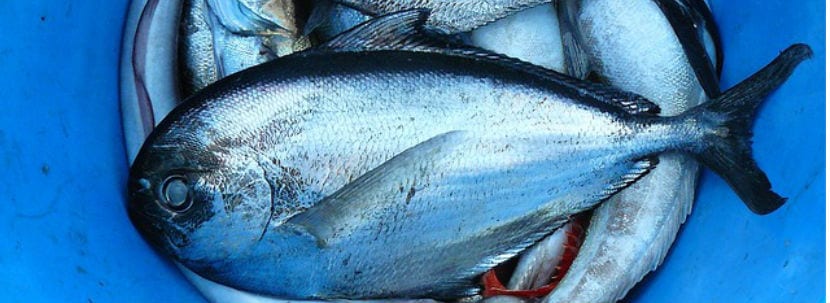
Anisakis is a parasite found in the digestive system of fish and some cephalopods (such as squid). If the fish is not gutted immediately after being caught, the parasite can leave the digestive system and migrate towards the flesh of the fishWhen a person eats contaminated fish, they suffer an infection similar to gastroenteritis or severe allergic reactions.
The precautions are common to the entire population, but they take on special importance in pregnant women because fish is often avoided out of fear. It's worth remembering that fish is an excellent source of protein and omega-3 fatty acids, very beneficial for the baby's brain and visual development, therefore It should not be eliminated from the dietbut rather be selected and prepared correctly.
The parasite dies from freezing at -20°C and also if we subject it to more than 60ºC of temperature at the center of the food. That's why proper freezing and thorough cooking are the two best tools for preventing problems.

Precautions against anisakis and other risks from fish
- Do not take salted, smoked, pickled, marinated, carpaccio or ceviche, if it has not been prepared with previously frozen fishIn the restaurant industry, it is important to ensure that they follow the regulations for pre-freezing raw or semi-raw preparations.
- Cook at over 60°C for at least 2 minutes in the center of the food (a very quick griddle is usually insufficient if the piece is thick). Bake, stew, or steam until the fish is opaque and flakes easily with a fork.
- Freeze at -20ºC for at least 72 hours When consuming raw, marinated, or undercooked fish, it is recommended to use flash-frozen fish because it is gutted early at sea, reducing the likelihood of the parasite surviving.
- Avoid raw or undercooked fish and seafood (sushi, sashimi, oysters, raw clams, carpaccio, etc.) during pregnancy, unless you are absolutely certain that they have been frozen correctly.
- Choose preferably fish with low mercury contentsuch as salmon, trout, sardines, small mackerel, cod or hake, and limit the consumption of large predatory species.
Myths about fish, anisakis and toxoplasmosis
- Fish can transmit toxoplasmosisFish can transmit anisakis, but It is not a common source of toxoplasmaEach pathogen has its own route of transmission: Toxoplasma is associated with undercooked meat from mammals and poultry and contaminated soil, while Anisakis is linked to fish. Properly prepared fish eliminates the problem of Anisakis and allows us to enjoy it safely.
- We cannot eat swordfish or tunaLarge fish accumulate too much mercury in their flesh over their lifetime. For this reason, it is recommended reduce your consumption and opt for smaller fish. The usual recommendation is to avoid species such as swordfish, shark, or bluefin tuna and limit other tuna to small weekly amounts, always choosing well-cooked preparations.
Far from eliminating fish, the recommendation is Consume about 2 to 3 servings per week of varied fish, prioritizing those with low mercury content and a good omega-3 fatty acid profile, always well cooked or properly frozen if consumed in raw preparations.
For added peace of mind, you can consult the brochure with the recommendations of the Ministry of Health, Social Affairs and Equality.
As a general idea, many foodborne infections can be prevented by applying the four basic steps to food safety recommended by international health authorities:
- Clear: wash your hands and wash surfaces and utensils frequently, as well as fruits and vegetables.
- Pull apart: avoid cross-contamination between raw foods (especially meat, fish and eggs) and ready-to-eat foods.
- Cook: to achieve adequate internal temperatures in meats, fish, eggs and prepared dishes.
- CoolRefrigerate perishable foods immediately and do not leave them at room temperature for extended periods.
By applying these guidelines, better understanding the real risks (toxoplasma, listeria, anisakis, mercury) and distinguishing them from the myths, it is possible to manage a varied, safe and enjoyable diet throughout pregnancy, protecting your health and that of your baby without falling into unnecessary restrictions.